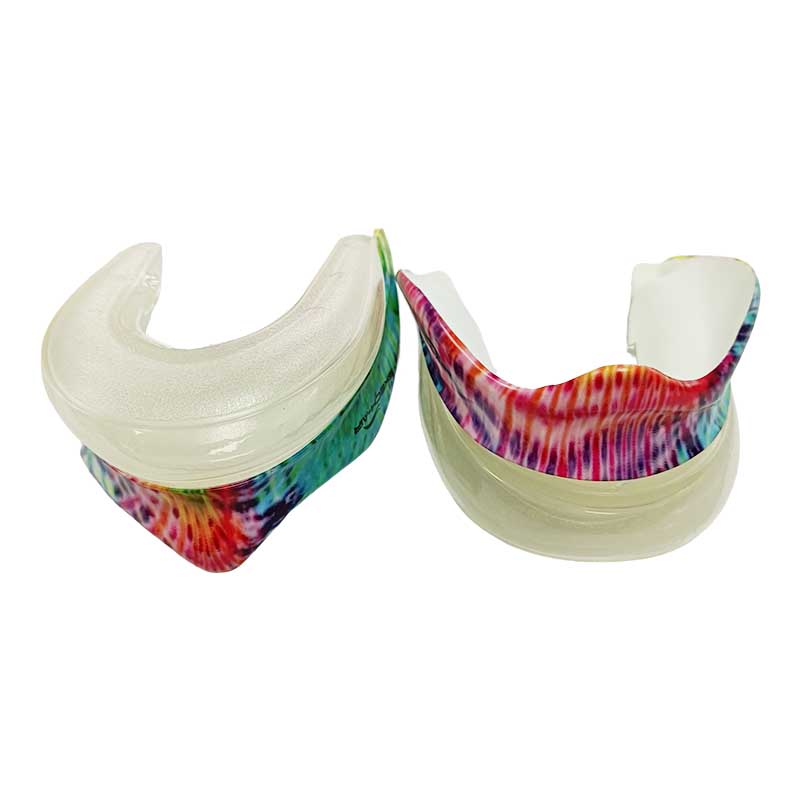
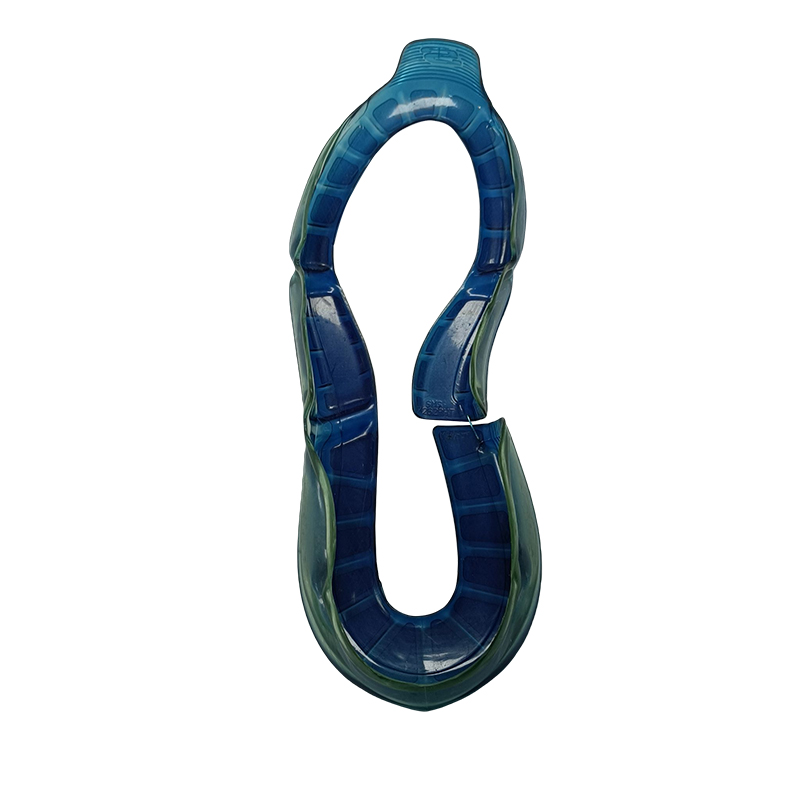
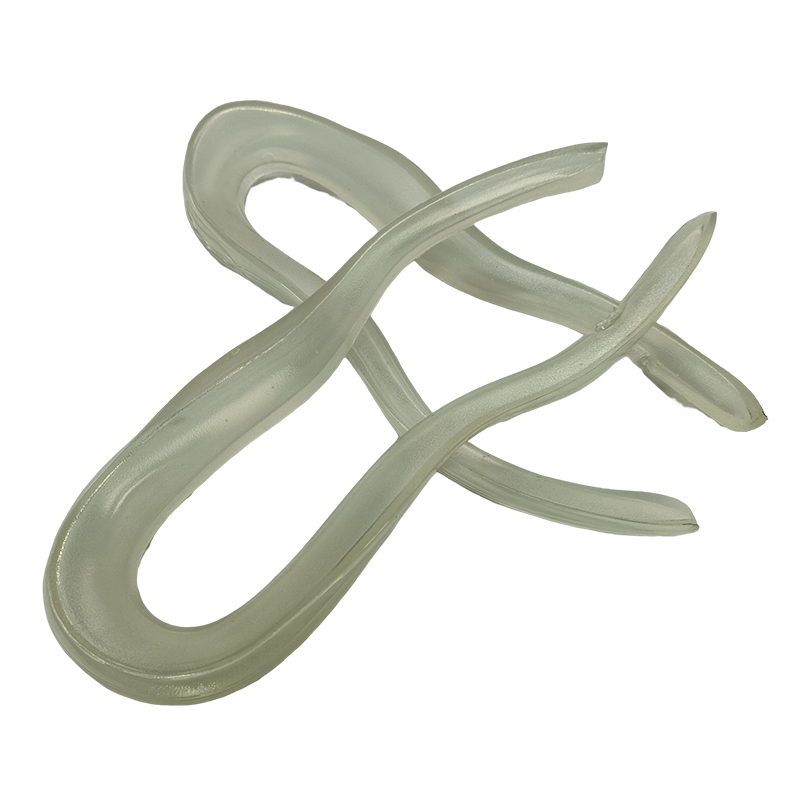
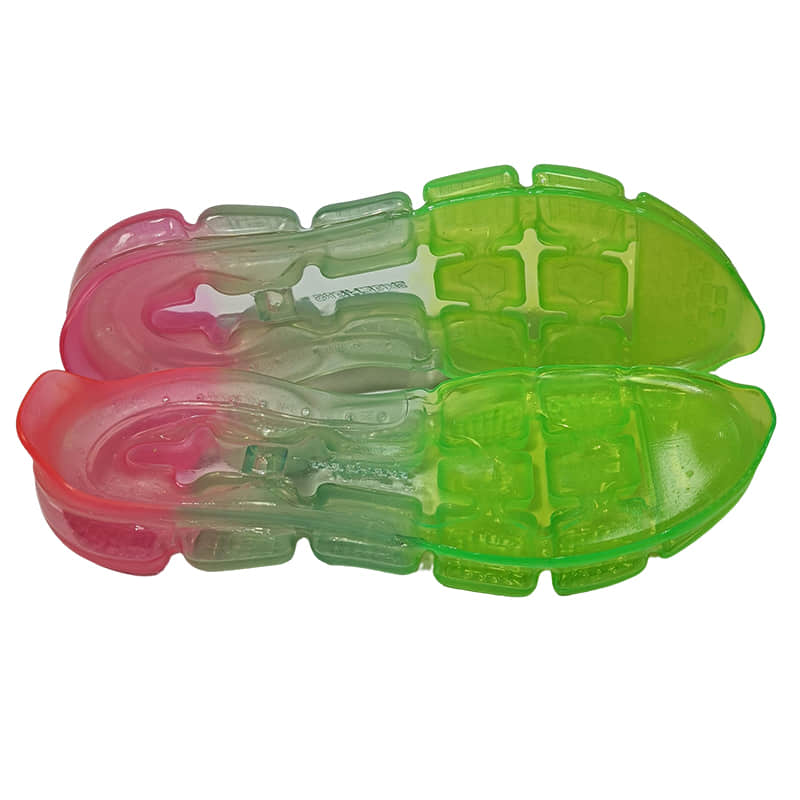
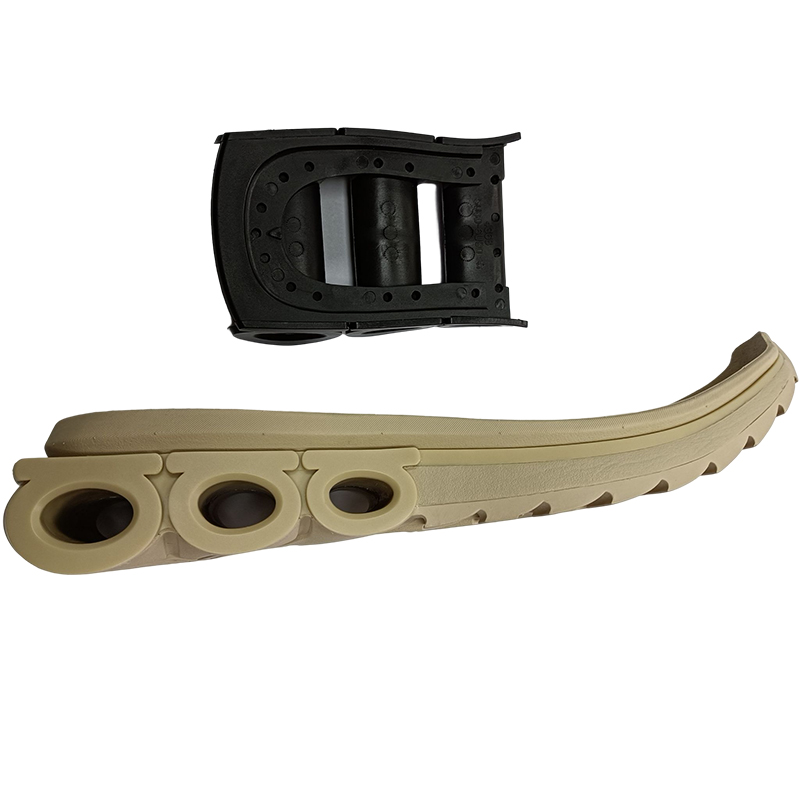
Comparison between TPU outsole and RB outsole
In today's athletic shoe market, TPU (thermoplastic polyurethane) soles and rubber(RB) soles are two common sole materials. They each have their own unique advantages and disadvantages, and the choice of sole depends on personal needs and preferences. This article will compare the pros and cons of these two sole materials to help you make a more informed choice.
Advantages of TPU soles:
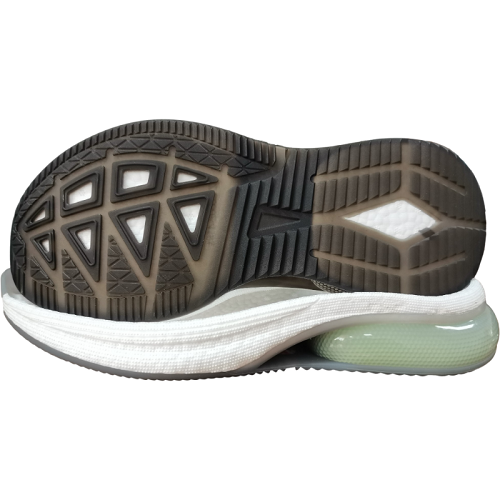
1. Lightweight:
TPU soles are usually lighter than rubber soles, making the shoes more comfortable for long periods of wear.
2. Durability:
TPU soles have high abrasion resistance and wear resistance, able to withstand extended use without wearing down easily like rubber soles.
3. Elasticity:
TPU soles have good elasticity, able to absorb impact and protect the feet from injury.
4. Breathability:
TPU soles have good breathability, helping to keep the feet dry and avoid a stuffy feeling.
5. Environmental-friendly:
TPU is a degradable material, environmentally friendly, and in line with the concept of sustainable development.
Disadvantages of TPU soles:
1. Higher price:
Compared to rubber soles, TPU soles are usually more expensive, which may affect the purchasing decisions of some consumers.
2. Not waterproof:
Although TPU soles have some water resistance, in certain situations such as wet surfaces or after rain, they may not be as durable.
3. Limited color options:
TPU soles come in fewer colors, which may not meet the pursuit of personalized preferences by some consumers.
Advantages of rubber soles
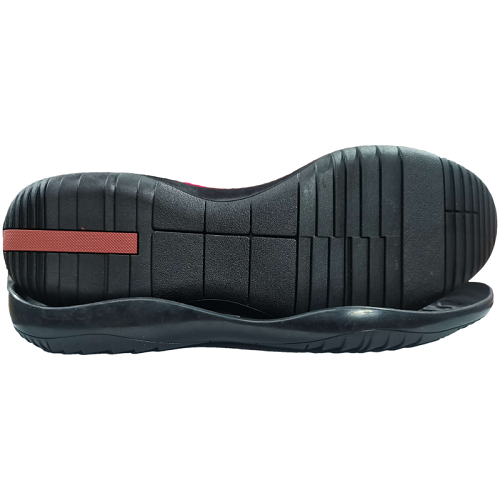
1. Comfort:
Rubber soles are usually softer than TPU soles, providing better cushioning and a more comfortable feeling for the feet.
2. Durability:
Rubber soles have high abrasion resistance and wear resistance, making them capable of withstanding long-term use without wearing out easily like TPU soles.
3. Cost-effective:
Rubber soles have lower costs compared to TPU soles, making them more suitable for budget-conscious consumers.
4. Rich colors:
Rubber soles come in a wide variety of colors, satisfying consumers' pursuit of personalized needs.
Disadvantages of rubber soles:
1. Heavy weight:
Rubber soles are typically heavier than TPU soles, making the shoes heavier and not suitable for prolonged wear.
2. Lack of breathability:
Rubber soles have poor breathability, which may cause the feet to feel hot and stuffy.
3. Prone to aging:
Rubber soles tend to age quickly and may require regular replacement.
Summary
When choosing between TPU soles and rubber soles, personal preferences, budget, and needs must be considered. If you want shoes that are lighter, more comfortable, and durable, then TPU soles may be a better choice. However, if you need shoes with better cushioning, cost-effectiveness, and personalized design, then rubber soles may be more suitable for you.
In conclusion, regardless of the choice of sole, the key is to ensure that it meets your actual needs and provides you with a comfortable wearing experience.
Lanxuan Company can provide a variety of materials including TPU and RB for outsoles, midsoles, air cushions, shoe upper decorations and other shoe materials, to meet the different needs of our customers to the fullest extent.